I've always been drawn to the ingenuity people bring to everyday challenges.
Whether navigating chronic illness, caring for a loved one, adapting to inaccessible technology, or simply making everyday life work, people are constantly adapting to the world around them. Those adaptations aren't just acts of resilience. They often reveal unmet needs and opportunities that would otherwise go unnoticed.
I'm curious about the gap between how systems are designed and how people actually live. That's where I find the most interesting questions; and often the greatest opportunities for change.
For over 15 years, that curiosity has taken me into hospitals, airports, workplaces, public agencies, homes, and technology organizations, where I've worked alongside patients, caregivers, employees, travelers, clinicians, and community members to understand not just what people do, but why they do it.
My background in Environmental and Transdisciplinary Design taught me that experiences are never shaped by products, services, or spaces alone. They emerge through the relationships between people, environments, technologies, and organizations. That perspective continues to shape every project I take on, whether studying accessibility with Google, re-imagining patient experiences with Johnson & Johnson, improving travel for families, or helping organizations envision workplaces that better support both people and business goals.
The most meaningful opportunities aren't found by asking better questions alone. They emerge when we create new ways for people to express what matters.
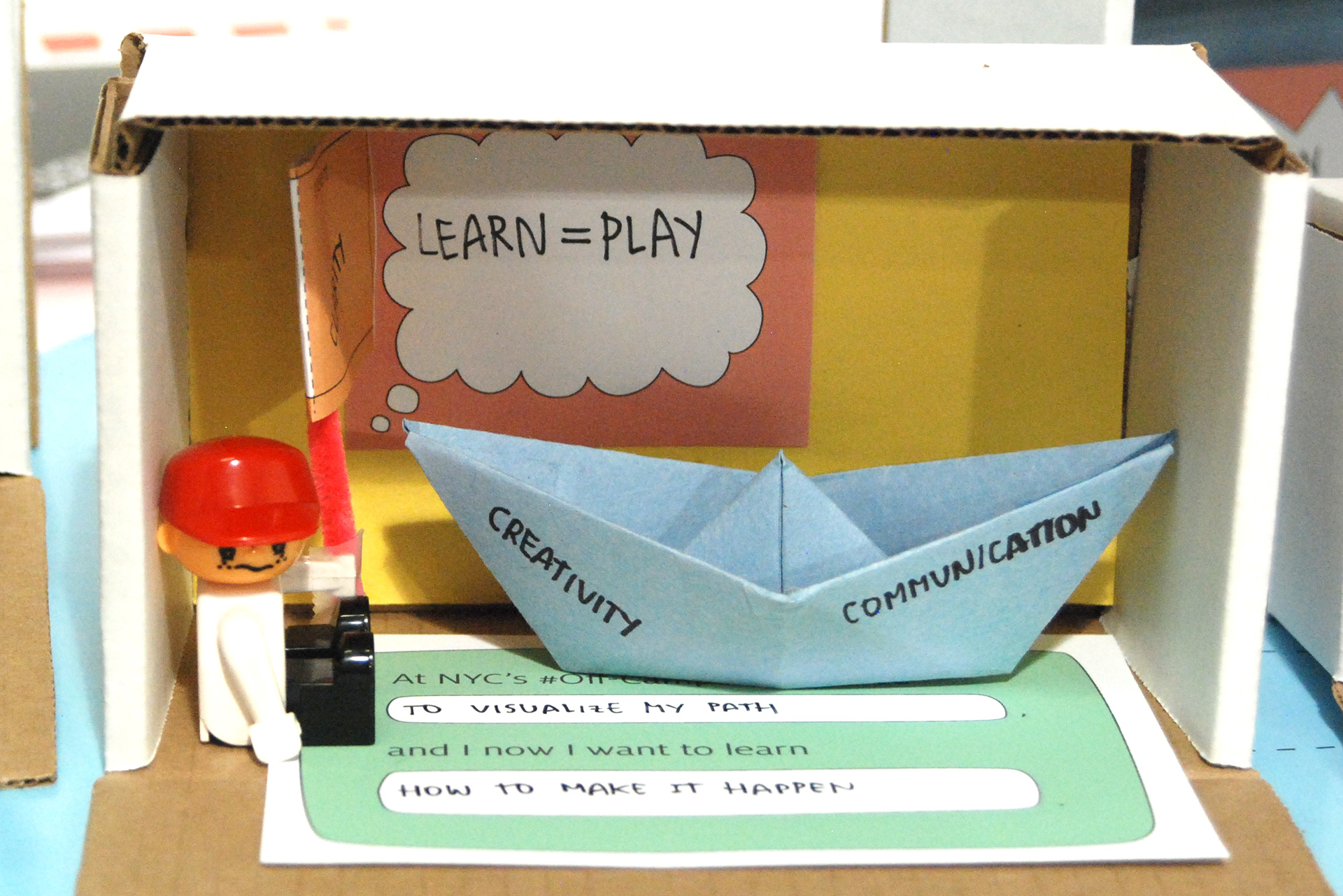
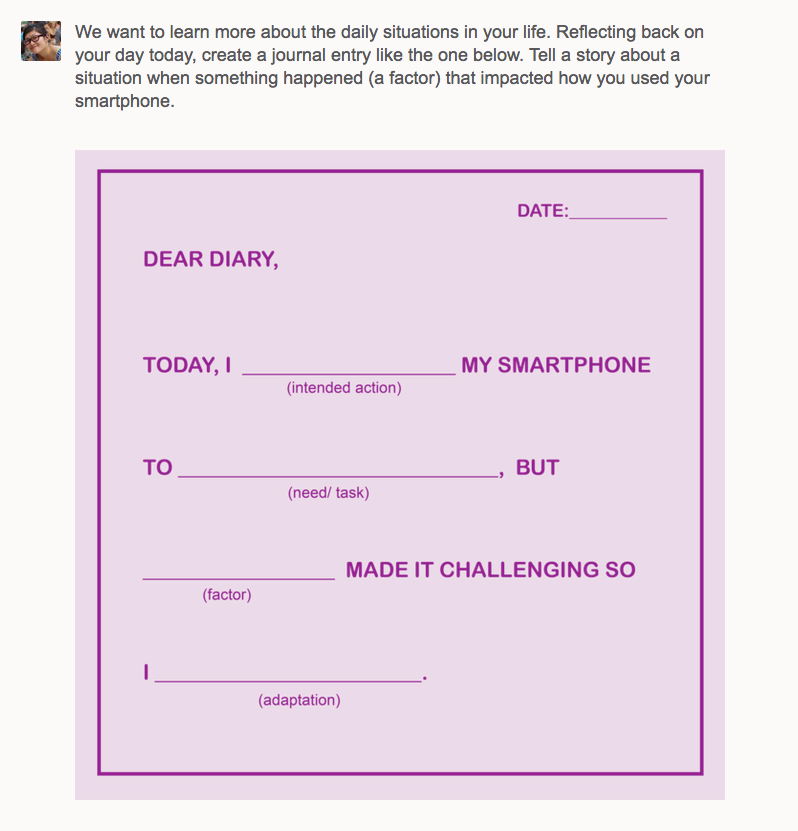
I use design as a way to make thinking visible. Through cultural probes, co-creation workshops, ethnographic research, and systems mapping, I create opportunities for people to express what matters in ways that traditional research often misses.
Over 15 years, I've designed research across healthcare, technology, accessibility, public services, finance, transportation, and the built environment, helping organizations translate lived experience into products, services, and environments that people trust and value.
I believe the future isn't hidden in data alone. It's already visible in the ways people adapt, improvise, and create meaning in everyday life. My role is to help organizations recognize those signals and create the conditions for more meaningful experiences.
Across sectors
Healthcare & Life Sciences
Johnson & Johnson • Pfizer
Johnson & Johnson • Pfizer
Technology & Accessibility
Google • Capital One
Google • Capital One
Public Services
NYC Service Design Studio • Pittsburgh International Airport
NYC Service Design Studio • Pittsburgh International Airport
Financial Services
Capital One
Capital One
Hospitality & Guest Experience
Baha Mar • St. Regis
Baha Mar • St. Regis
Workplace & Built Environment
Google • Pfizer • Capital One • WeWork
Google • Pfizer • Capital One • WeWork
My Approach
Over the years, I've learned that design isn’t just about solving problems. It’s about observing carefully, actively listening, and creating the conditions for meaningful change.
Over the years, I've learned that design isn’t just about solving problems. It’s about observing carefully, actively listening, and creating the conditions for meaningful change.
These principles shape how I approach research, strategy, and experience design:
+ Amplify what’s already working. People are constantly adapting systems in creative ways, especially when existing systems fail to meet their needs. I pay close attention to the workarounds, behaviors, and informal practices that emerge in everyday life. These signals often reveal resilience, ingenuity, and some of the strongest opportunities for meaningful innovation and change.
+ Use design to ask better questions. Design is not only a way to solve problems, but a way to uncover them. Through design-led probes, co-design, participatory engagements and speculative prompts, I surface insights that traditional research methods often miss.
+ Align around a shared vision. When teams aren’t aligned, even strong ideas struggle to move forward. I use storytelling, journey envisioning, and future-oriented visual frameworks to help people see what’s possible and commit to it together.
+ Co-design with, not for. The people closest to a challenge often hold the deepest expertise. I believe meaningful change happens through shared authorship, trust, and participation — not top-down solutions. Building trust sometimes means reducing power distance and creating space for honesty, reflection, and mutual understanding, especially in emotionally complex environments.
+ Build frameworks that enable action. Research should do more than generate insight. I create frameworks, tools, and scaffolds that help teams continue learning, adapting, and shaping experiences long after a project ends.