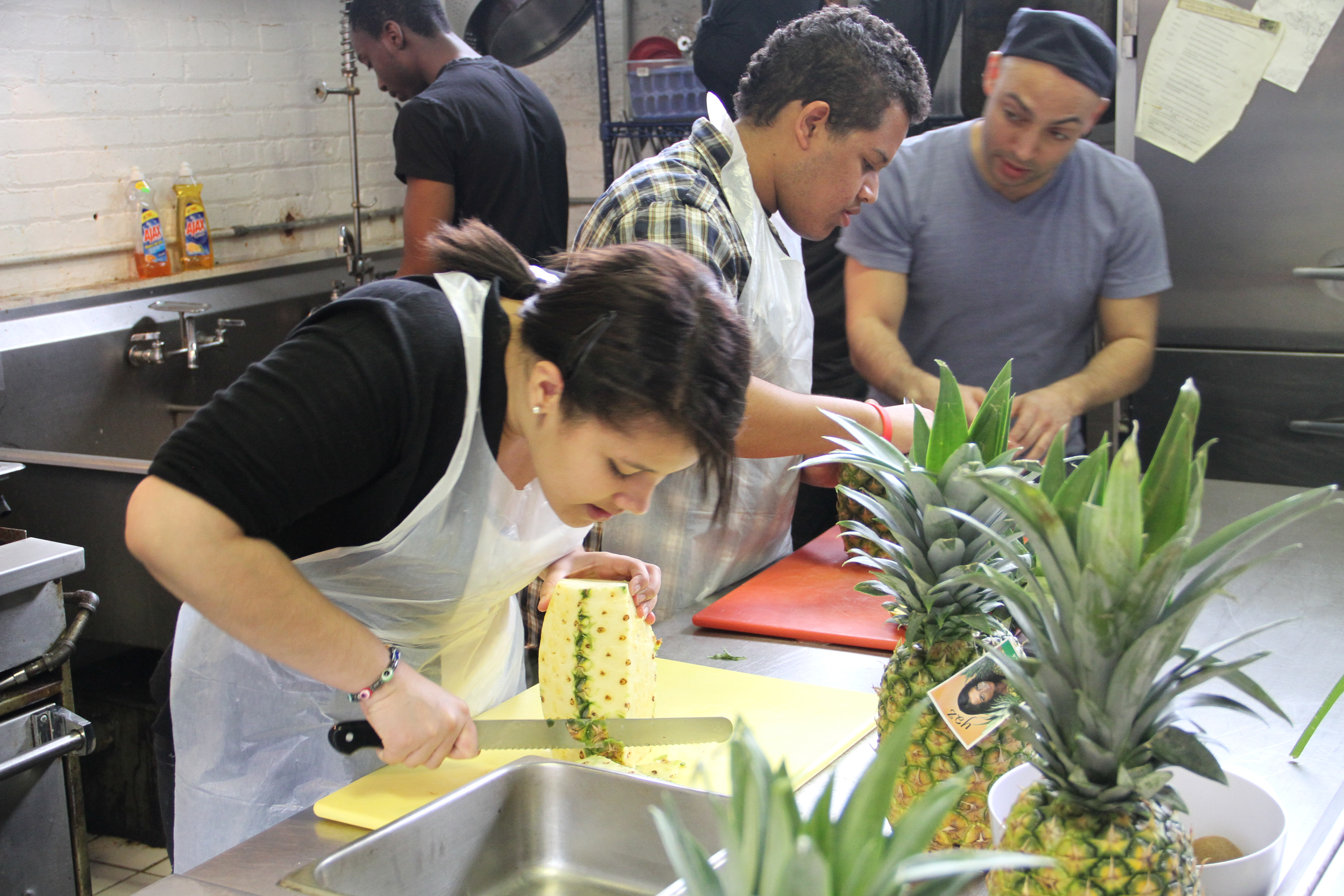
I co-founded Blank Plate, a participatory culinary program that used food, creativity, and storytelling to strengthen community agency in Hunt's Point, South Bronx. The initiative transformed food from a nutritional intervention into a platform for cultural expression, leadership development, and collective action.
Impact
Blank Plate evolved from a thesis project into a funded community initiative that engaged youth and families over a decade, creating a scalable model for community-centered participation and creative leadership.
+ Co-founded and developed Blank Plate, a participatory culinary program designed with and for the Hunts Point community of the South Bronx
+ Piloted workshops through seed funding and later secured additional funding to expand the initiative
+ Created a scalable curriculum and facilitation playbook for future implementation
+ Increased long-term participant engagement and family involvement over multiple years
+ Fostered community-building, creative expression, and healthier relationships with food
+ Helped participants build confidence, cooking skills, and awareness around nutrition and self-care
+ Longevity of the program demonstrated the value of community-rooted participatory models, sustaining engagement for over a decade before pandemic-era funding challenges impacted continuation
+ Piloted workshops through seed funding and later secured additional funding to expand the initiative
+ Created a scalable curriculum and facilitation playbook for future implementation
+ Increased long-term participant engagement and family involvement over multiple years
+ Fostered community-building, creative expression, and healthier relationships with food
+ Helped participants build confidence, cooking skills, and awareness around nutrition and self-care
+ Longevity of the program demonstrated the value of community-rooted participatory models, sustaining engagement for over a decade before pandemic-era funding challenges impacted continuation
Challenge
Hunt's Point in the Bronx is one of the largest food distribution hubs in New York City, with roughly 75% of the city’s produce and food supply moving through the neighborhood. Yet despite this proximity to food infrastructure, many residents face food insecurity, limited access to healthy ingredients, and broader systemic inequities tied to health, education, and economic opportunity.
The project explored a central question:
How can we cultivate a food-centered culture in a neighborhood facing food injustice?
Rather than approaching food solely through public health messaging or nutrition education, the work sought to amplify how creativity, participation, and cultural identity could reshape people’s relationships with food and community.
Participants
Blank Plate Teen Chefs
Blank Plate Teen Chefs
Partner
The Point CDC Hunt's Point, Bronx, Bascom Catering, Corbin Hill Farms, Amy Findeiss, and Eulani Labay, Mathew Weiss (Playbook Design)
The Point CDC Hunt's Point, Bronx, Bascom Catering, Corbin Hill Farms, Amy Findeiss, and Eulani Labay, Mathew Weiss (Playbook Design)
Role
Co-founder // Principal Design Researcher
Co-founder // Principal Design Researcher
Led participatory research, program design, and community engagement efforts that brought together youth, artists, educators, and local organizations. Designed and facilitated workshops, developed the curriculum model, secured funding, and translated community insights into a long-running initiative centered on food, storytelling, and creative empowerment.
Focus
CULINARY EXPERIENCE
PARTICIPATORY DESIGN RESEARCH
STORYTELLING
PROGRAM DEVELOPMENT
COMMUNITY BUILDING
CREATIVE EMPOWERMENT
CULINARY EXPERIENCE
PARTICIPATORY DESIGN RESEARCH
STORYTELLING
PROGRAM DEVELOPMENT
COMMUNITY BUILDING
CREATIVE EMPOWERMENT
Made possible by
Opportunity
Blank Plate was conceived as both a research initiative and a living participatory system.
The project combined:
culinary arts
participatory design
storytelling
creative facilitation
systems thinking
community engagement
participatory design
storytelling
creative facilitation
systems thinking
community engagement
The goal was to create a sustainable framework where food became:
+ a medium for self-expression
+ a mechanism for relationship-building
+ a tool for agency and reflection
+ a catalyst for long-term behavioral and cultural change
+ a mechanism for relationship-building
+ a tool for agency and reflection
+ a catalyst for long-term behavioral and cultural change
The work intentionally moved away from deficit-based approaches to food insecurity and instead focused on imagination, creativity, and collective participation.
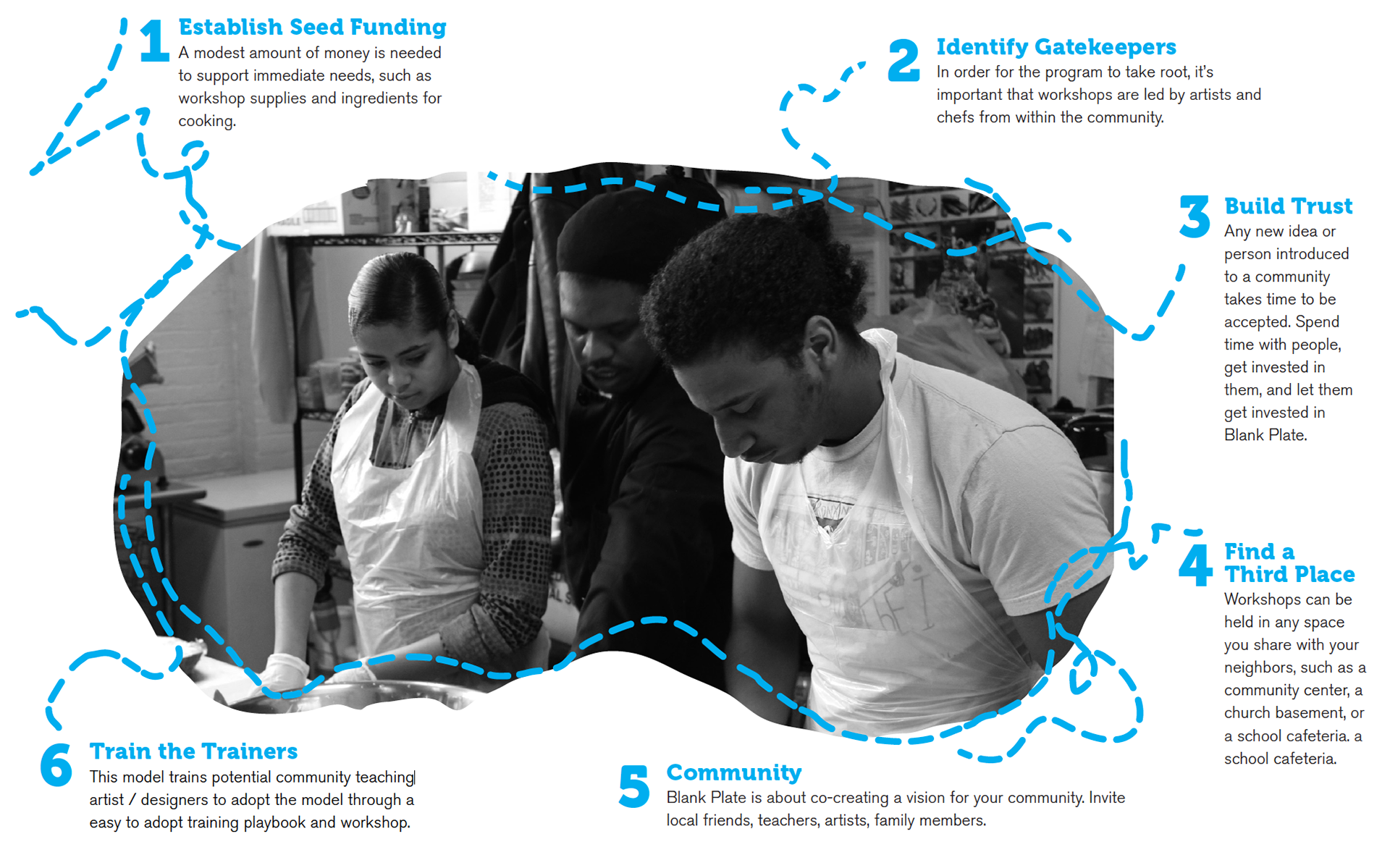
Key principles that allowed the Blank Plate Program to be sustainable for over 10 years as a proof of concept. Playbook design by Mathew Weiss and Mai Kobori. Illustrations by Amy Findeiss.
Approach
The program was built through iterative research, facilitation, co-design, and long-term community engagement.
The program was built through iterative research, facilitation, co-design, and long-term community engagement.
+ Design Research Methods
+ Participatory workshops with youth and families
+ Creative culinary activities designed to surface stories, memories, and aspirations
+ Observation and ethnographic engagement within the community
+ Iterative curriculum development and prototyping
+ Quantitative and qualitative program evaluation
+ Community partnership building and facilitation
+ Participatory workshops with youth and families
+ Creative culinary activities designed to surface stories, memories, and aspirations
+ Observation and ethnographic engagement within the community
+ Iterative curriculum development and prototyping
+ Quantitative and qualitative program evaluation
+ Community partnership building and facilitation
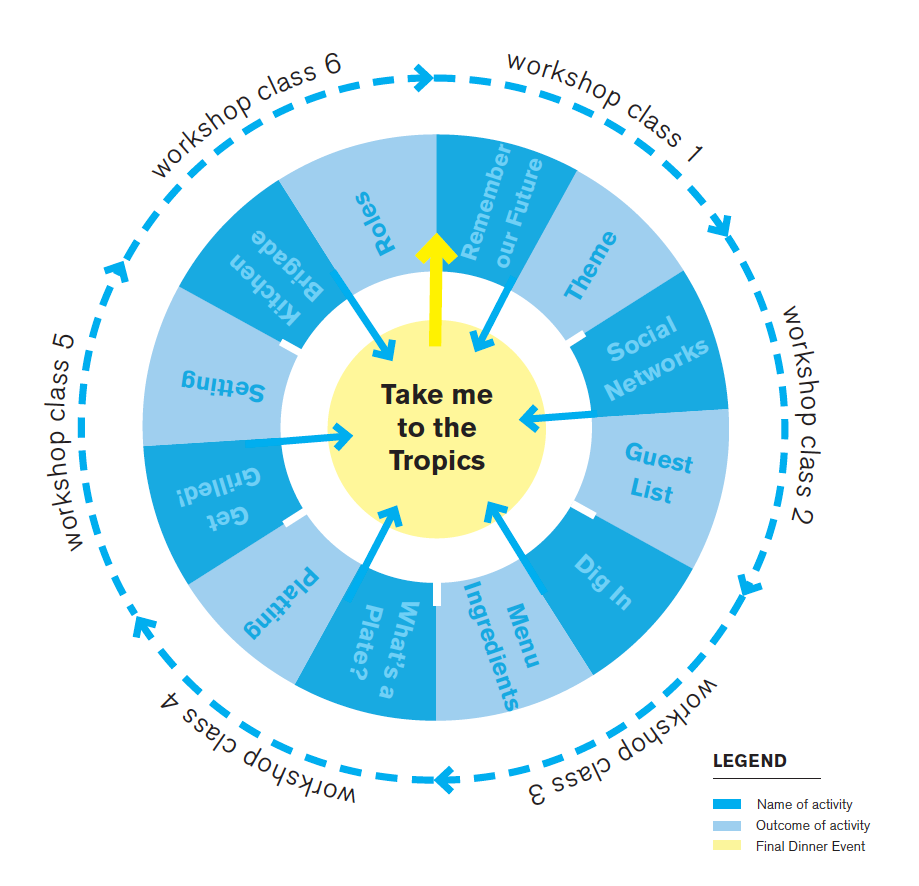
Culmination of Workshops = Final Event
The work began as a human support program, what became the PAH Companion experience:
The work began as a human support program, what became the PAH Companion experience:
+ One-on-one conversations with trained support specialists
+ Structured touchpoints over time
+ Tools to help patients prepare, reflect, and engage
+ Structured touchpoints over time
+ Tools to help patients prepare, reflect, and engage
Programs like this provide ongoing education, connection, and guidance through multiple channels (phone, text, digital), helping patients stay engaged in their care journey. However, the breakthrough came when we asked:
What if the product behaved like the service?
Key Insights
Food is deeply social, emotional, and cultural
Participants did not connect to food through health messaging alone. Cooking, eating, and sharing meals became vehicles for storytelling, identity, memory, and belonging.
Food is deeply social, emotional, and cultural
Participants did not connect to food through health messaging alone. Cooking, eating, and sharing meals became vehicles for storytelling, identity, memory, and belonging.
Participation creates agency and ownership
Engagement deepened when people actively shaped experiences rather than passively receiving instruction. Opportunities for contribution, creativity, and reflection fostered greater trust, investment, and long-term participation.
Engagement deepened when people actively shaped experiences rather than passively receiving instruction. Opportunities for contribution, creativity, and reflection fostered greater trust, investment, and long-term participation.
Creativity lowers barriers to engagement
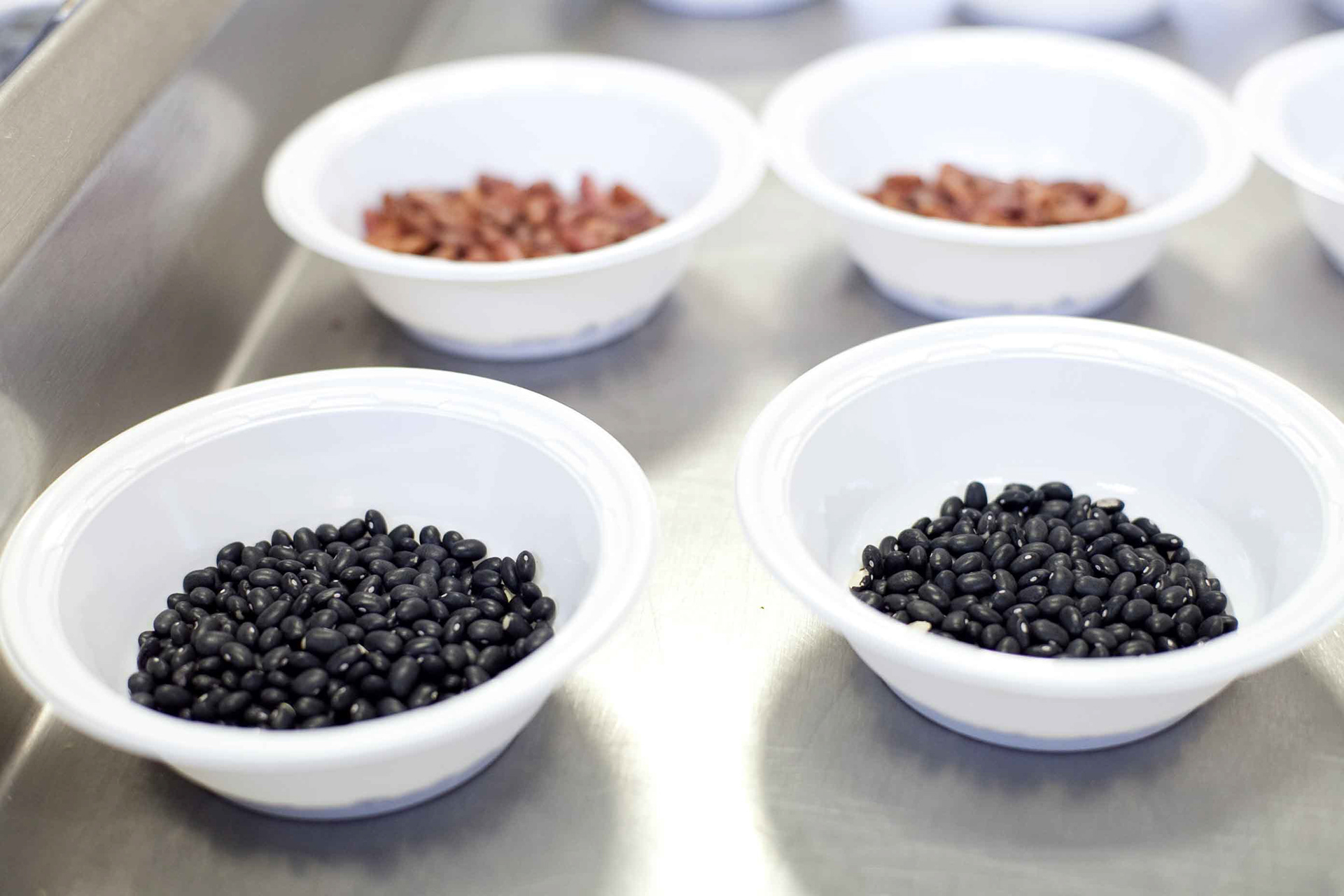
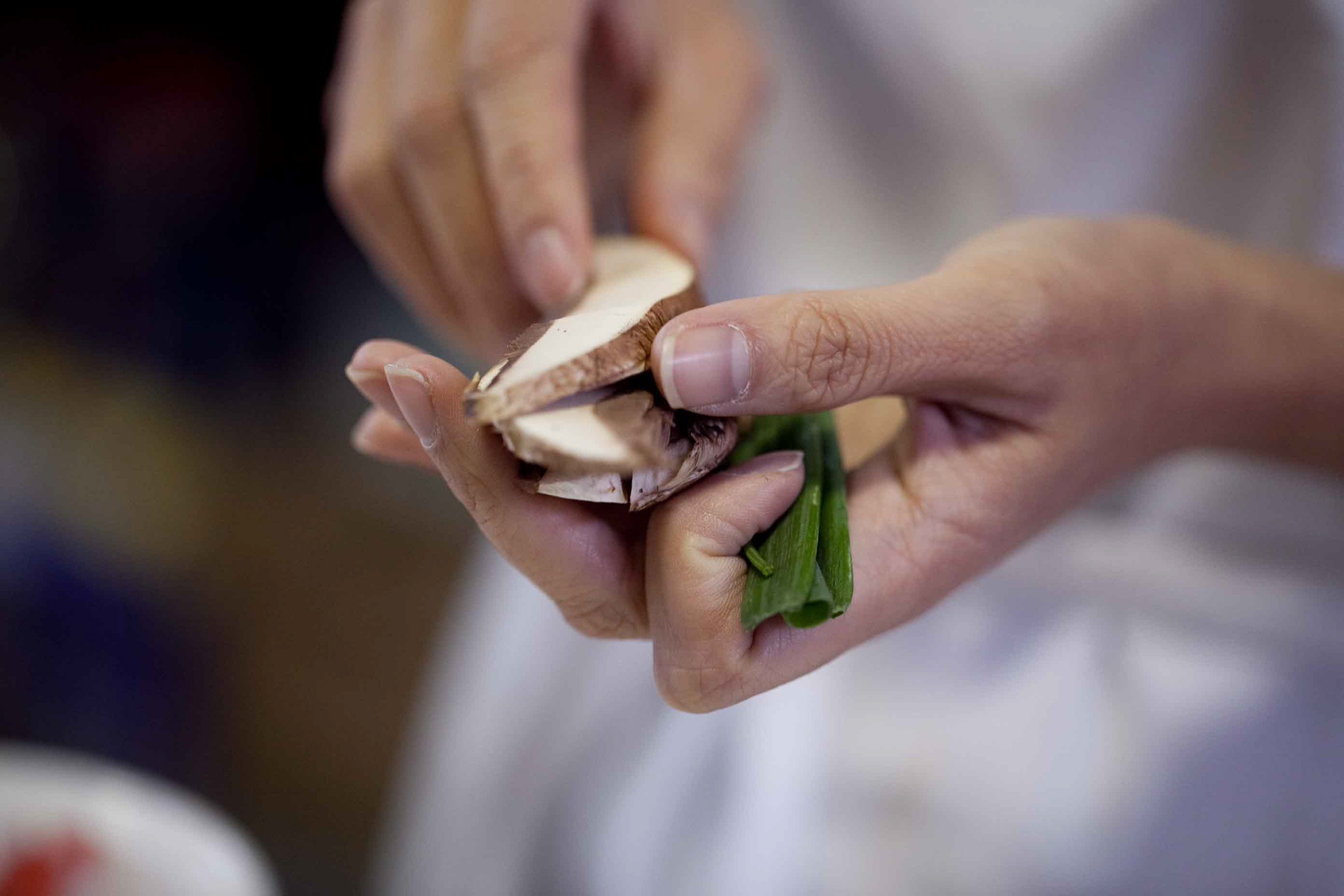
Activities centered around plating, storytelling, sensory exploration, and collaborative making created more accessible entry points for dialogue and self-expression than traditional educational formats.
Activities centered around plating, storytelling, sensory exploration, and collaborative making created more accessible entry points for dialogue and self-expression than traditional educational formats.
Rituals and shared experiences support lasting change
Recurring workshops, collaborative meal preparation, and shared dining experiences fostered social accountability, emotional connection, and healthier habits over time.
Recurring workshops, collaborative meal preparation, and shared dining experiences fostered social accountability, emotional connection, and healthier habits over time.
Access alone does not create empowerment
Despite living within one of the country’s largest food distribution hubs, many residents felt disconnected from the broader food systems surrounding them. The project revealed that access without participation, visibility, or agency can still produce feelings of exclusion.
Despite living within one of the country’s largest food distribution hubs, many residents felt disconnected from the broader food systems surrounding them. The project revealed that access without participation, visibility, or agency can still produce feelings of exclusion.
Communities create informal systems of care and resilience
The project highlighted how communities often build their own networks of support when larger institutions fail to adequately address structural inequities. The Point CDC functioned as a grassroots hub where residents, artists, educators, and organizers collectively supported food justice and neighborhood well-being.
The project highlighted how communities often build their own networks of support when larger institutions fail to adequately address structural inequities. The Point CDC functioned as a grassroots hub where residents, artists, educators, and organizers collectively supported food justice and neighborhood well-being.
Underutilized spaces can become platforms for community participation
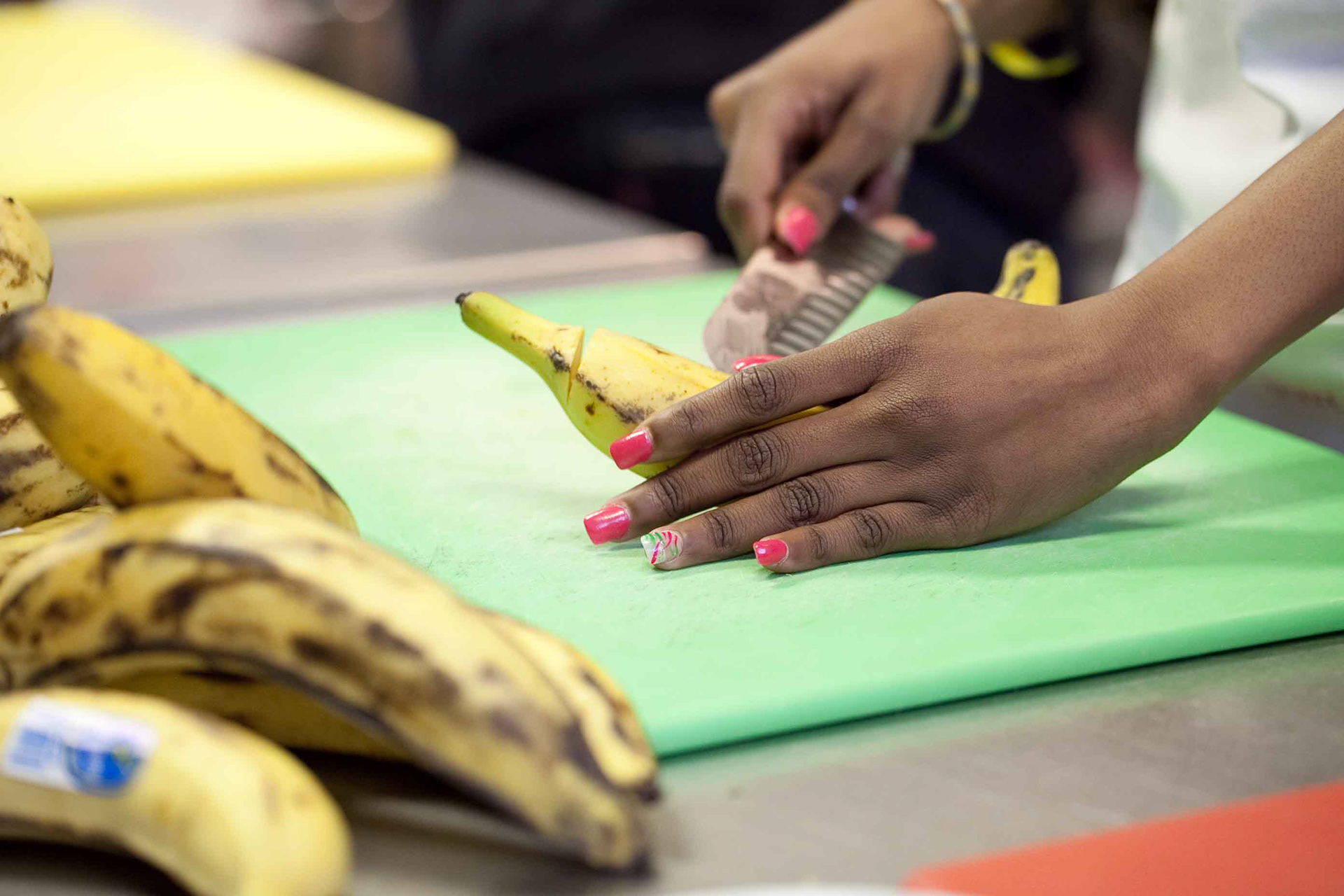
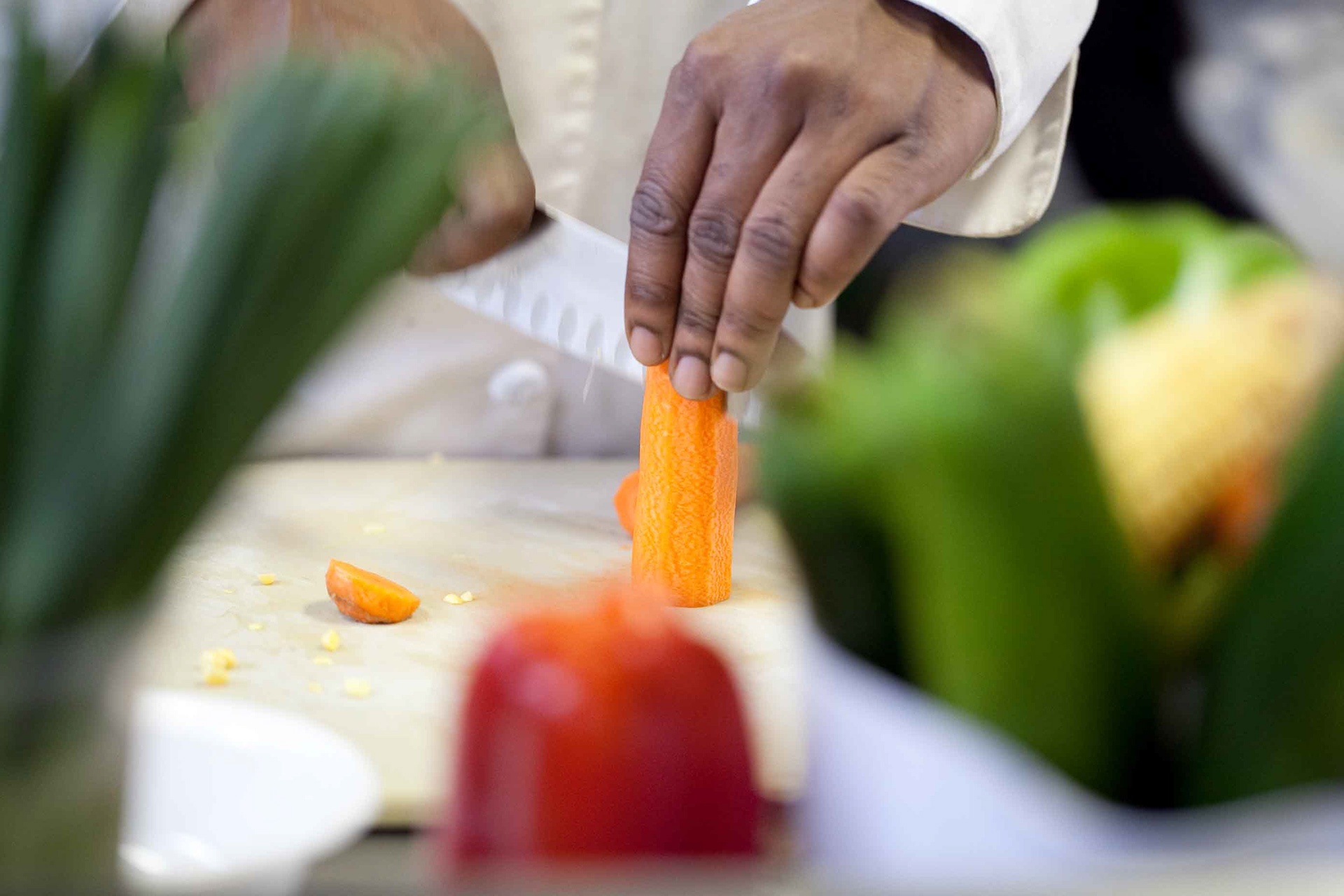
Blank Plate emerged from the opportunity to transform an underutilized concession kitchen into a participatory culinary space centered on creativity, agency, and collective empowerment.
Blank Plate emerged from the opportunity to transform an underutilized concession kitchen into a participatory culinary space centered on creativity, agency, and collective empowerment.

Reflection
Blank Plate fundamentally changed how I think about participation, behavior change, and systems design.
The project reinforced that sustainable engagement rarely comes from information alone. It emerges through shared rituals, emotional connection, creativity, and social belonging.
It also demonstrated how design research can move beyond observation into active world-building, creating environments where communities can imagine new relationships with themselves, each other, and the systems surrounding them.
The project deepened my interest in how participatory design can function not only as a research methodology, but as a mechanism for empowerment, cultural expression, and long-term systems change.